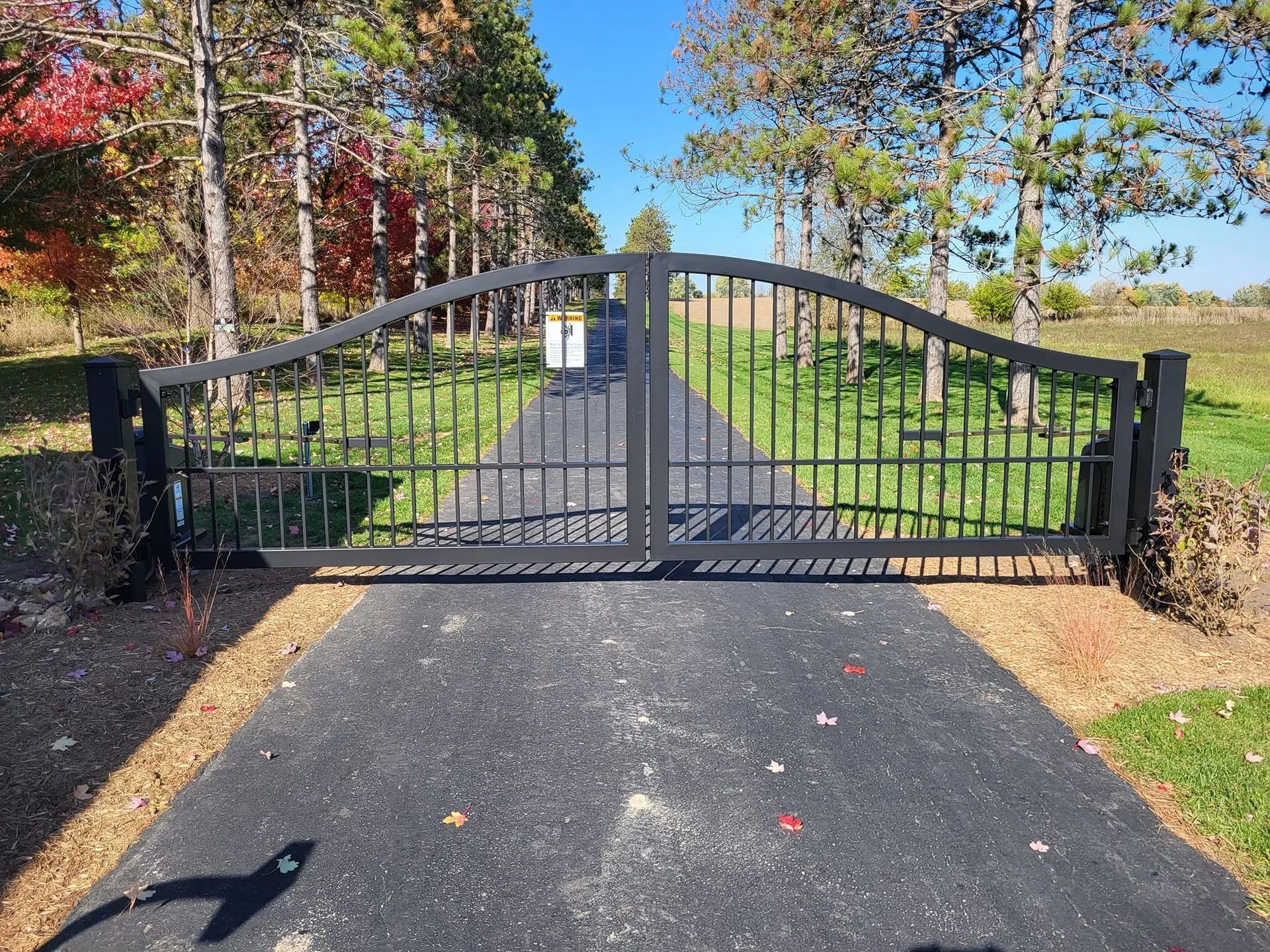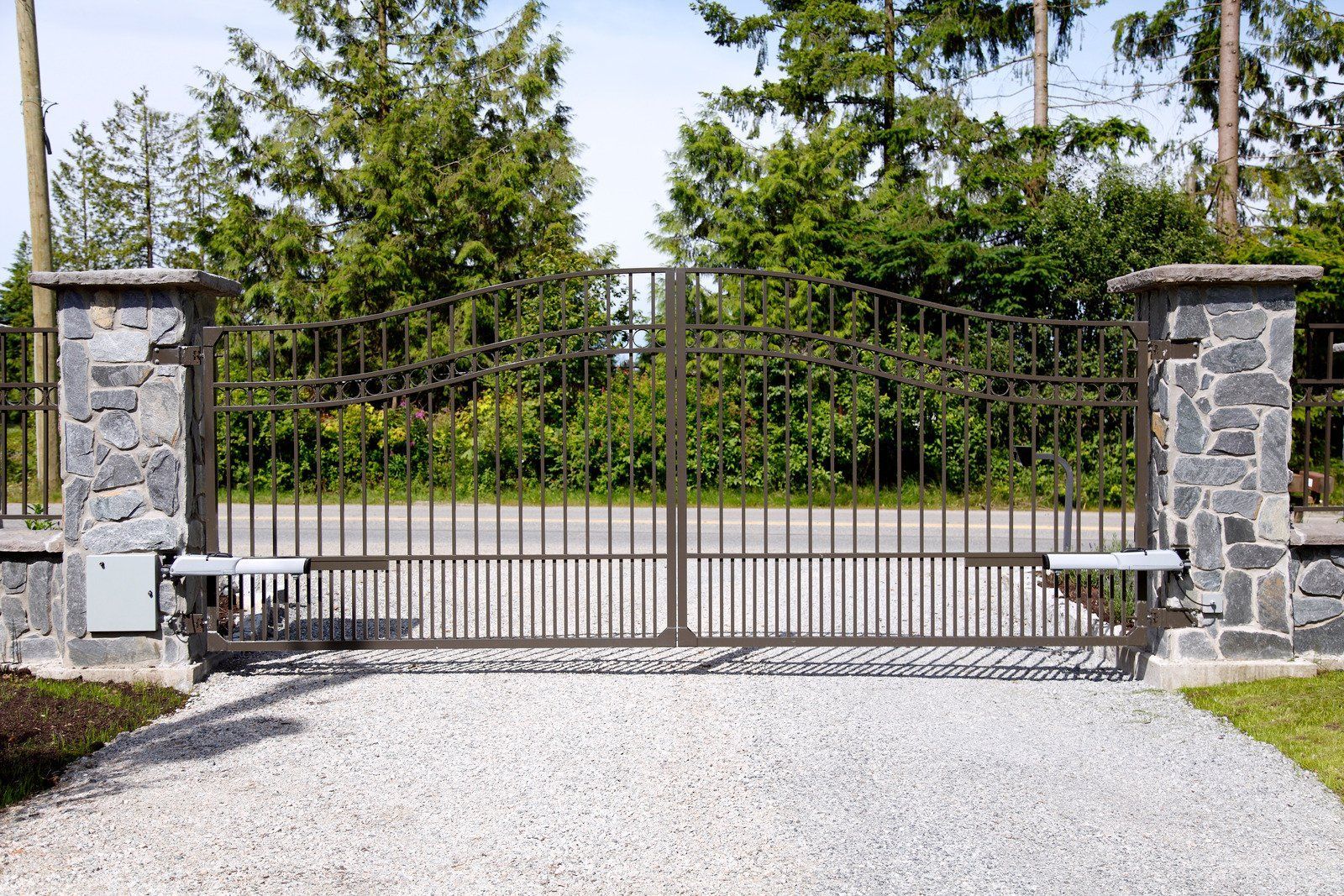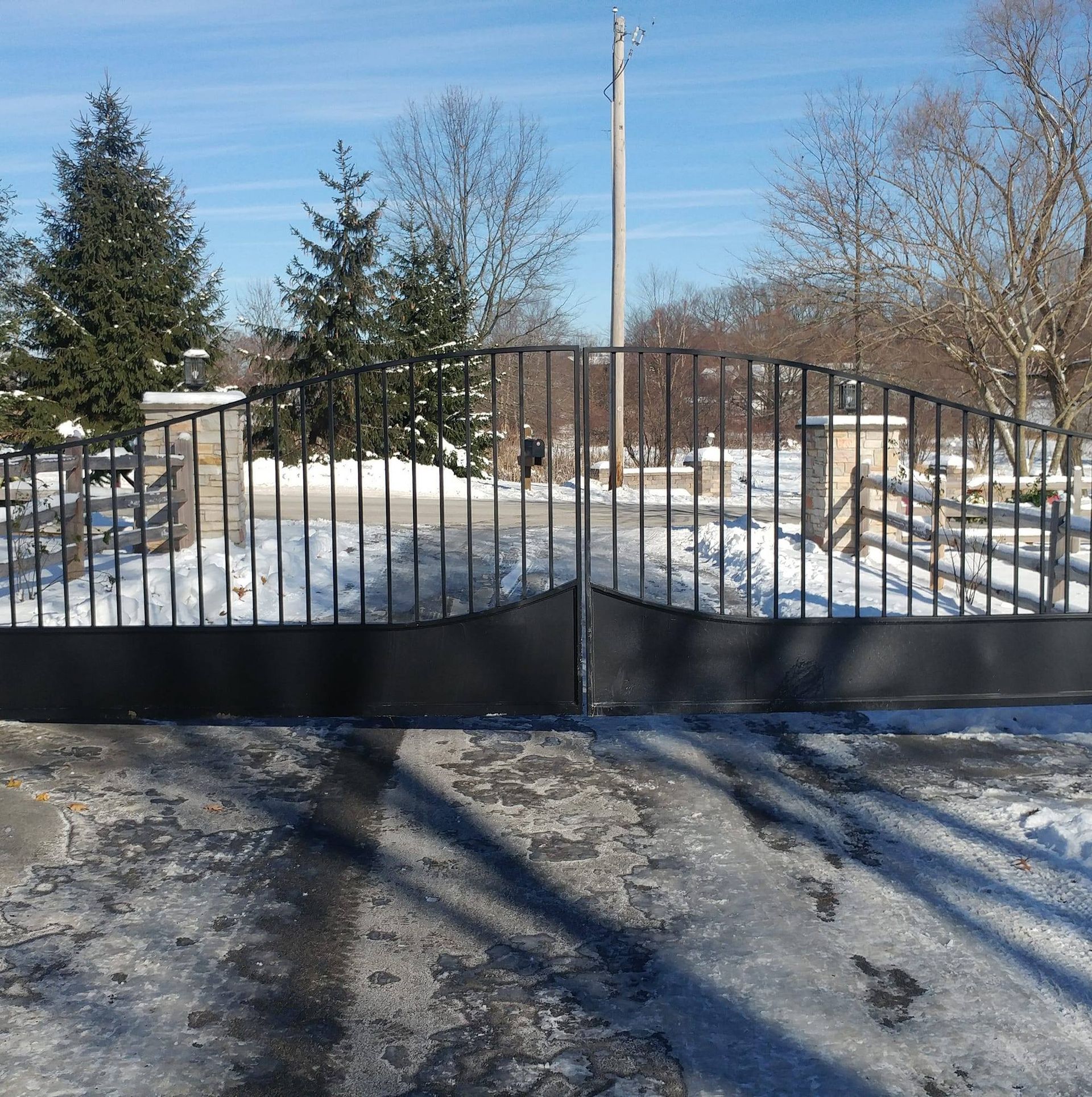
Home security priorities are shifting rapidly as urban expansion, technology adoption, and evolving risk patterns reshape residential safety expectations. In 2026, homeowners are increasingly investing in physical security enhancements, with security gates emerging as one of the most effective and visible deterrents against unauthorized access. This rise is not limited to high-value properties; middle-income households are also adopting gated entry systems as a proactive measure to strengthen perimeter protection. The integration of smart access controls, automation, and durable materials has further elevated the appeal of modern gate systems across residential sectors.
Growing concerns about burglary attempts, package theft, and perimeter breaches have pushed homeowners to reassess traditional security approaches. Instead of relying solely on alarms or surveillance cameras, emphasis is now placed on layered protection that begins at the property boundary. Security gates serve as the first line of defense, combining physical obstruction with psychological deterrence. Industry trends indicate a steady increase in installations driven by affordability improvements, design customization, and smart home integration. As safety expectations continue to evolve, security gates are no longer considered luxury additions but essential components of comprehensive home protection strategies designed for long-term reliability and peace of mind.
1. Rising Security Concerns and Urban Risk Patterns
Increasing Property Vulnerability
Residential neighborhoods are experiencing a noticeable rise in opportunistic intrusions, package theft, and boundary trespassing incidents. This increase is largely driven by higher population density and improved mobility, making unsecured homes easier targets for offenders. Consequently, homeowners are prioritizing stronger perimeter defense systems to reduce exposure, improve safety, and maintain greater control over property access in daily urban environments today.
Crime Deterrence Through Physical Barriers
Security gates play a crucial role in deterring unauthorized entry by creating a controlled access point at property boundaries. Visible barriers discourage casual intrusions and force potential offenders to reconsider attempts due to heightened perceived risk. This psychological deterrent effect is a major reason behind increasing adoption across suburban and urban properties where foot traffic is frequent.
Real-World Application
Gated entry systems are now commonly installed not only for large estates but also for compact residential plots. Even modest properties benefit from controlled access, especially in areas with frequent foot traffic or shared driveways. This shift reflects a broader understanding of preventive security rather than reactive responses in modern residential planning approaches across developing urban and suburban neighborhoods worldwide today.
2. Advancements in Smart Gate Technology
Automation and Remote Access Control
Modern security gates now integrate advanced automation systems that allow homeowners to control entry remotely. Mobile applications, keypad systems, and biometric access tools enhance convenience while maintaining strict access control and operational efficiency. This evolution significantly improves user experience and supports seamless property management in daily usage scenarios, making modern gated systems highly adaptable to smart living environments.
Integration with Smart Home Ecosystems
Security infrastructure is increasingly connected with broader smart home systems. Gates can now sync with surveillance cameras, motion sensors, and alarm systems, creating a unified security network across properties. This integration ensures real-time alerts and coordinated responses during suspicious activity events, enhancing overall safety and improving homeowner awareness and emergency response coordination efficiency within modern residential frameworks today.
Enhanced Monitoring Capabilities
High-resolution cameras and sensor-based detection systems are frequently embedded within gate structures. These features enable continuous monitoring of entry points, reducing blind spots and improving situational awareness. Such technology-driven improvements are driving higher adoption rates in 2026 as homeowners increasingly prioritize intelligent surveillance and proactive perimeter protection strategies across rapidly growing residential areas today.
3. Material Innovation and Structural Durability
Stronger and Weather-Resistant Designs
Manufacturers are focusing on materials that offer long-term durability under varying environmental conditions. Reinforced steel, aluminum alloys, and treated composites are widely used to ensure structural strength and resistance to corrosion, heat, and moisture exposure. These advancements enhance overall product lifespan and reliability in diverse climates, supporting long-term performance for residential and commercial installations across global markets consistently today.
Low Maintenance Requirements
Modern gate systems are designed for minimal maintenance without compromising performance. Protective coatings and precision engineering reduce wear and tear, lowering long-term upkeep costs significantly over time. This makes security gates more practical for homeowners seeking sustainable investment solutions in residential properties while ensuring consistent functionality and reducing repair-related disruptions throughout usage periods and ownership lifecycle benefits over time periods today.
Aesthetic Customization Trends
Homeowners are increasingly interested in combining functionality with design appeal. Contemporary gate systems are available in customizable finishes, patterns, and architectural styles. This allows property owners to maintain visual harmony while enhancing security infrastructure, reflecting modern architectural preferences, and increasing demand for personalized exterior design solutions in residential properties across evolving housing markets with a strong emphasis on visual integration today.
4. Economic Value and Property Appreciation
Long-Term Investment Benefits
Security gates are no longer viewed as optional upgrades but as value-adding assets. Properties equipped with gated entry systems often experience higher market appeal due to enhanced safety perception. This contributes to stronger resale potential over time in competitive real estate markets, making them a strategic investment for long-term financial growth and property value stability across residential sectors, consistently proven.
Insurance and Risk Reduction Factors
Insurance providers often recognize the presence of security gates as a risk mitigation factor. Reduced likelihood of unauthorized access can influence premium considerations, indirectly supporting cost savings for homeowners. This financial advantage strengthens installation motivation among property owners seeking long-term protection benefits while encouraging broader adoption of preventive security infrastructure in residential communities across modern urban areas.
Cost Efficiency Over Time
While initial installation costs may vary based on system complexity, long-term savings are significant. Reduced theft risk, lower maintenance requirements, and extended durability contribute to overall cost efficiency in residential properties. This makes security gates a practical financial decision for homeowners prioritizing sustainable investments that deliver measurable economic benefits throughout the ownership lifecycle and usage duration over time periods today.
5. Lifestyle Changes and Privacy Expectations
Increased Demand for Controlled Access
Modern homeowners place a high value on privacy and controlled access to their property. Security gates provide a clear boundary between public and private space, reinforcing a sense of exclusivity and personal control over entry points. This trend reflects changing lifestyle expectations in residential environments as urban development increases and homeowners prioritize structured access systems globally across regions today.
Family Safety Prioritization
Households with children and elderly members prioritize secure environments that limit unexpected external access. Gates help ensure safer outdoor spaces while allowing controlled visitor entry, aligning with family-focused safety expectations. This approach supports overall household security and peace of mind in daily living conditions, especially in densely populated areas with increasing safety concerns among residents across urban housing communities today.
Remote Work Influence
With more people working from home, uninterrupted security and reduced external disturbances have become essential. Controlled entry systems support a quieter, more secure residential environment suitable for productivity and comfort. This shift in lifestyle priorities has increased demand for integrated security solutions in modern homes as remote working continues to shape residential security requirements and expectations globally across modern lifestyles.
6. Industry Growth and Adoption Trends in 2026
Expanding Residential Security Market
The residential security sector is experiencing consistent growth, with perimeter protection systems leading demand. Security gates represent a significant portion of this expansion due to their effectiveness and adaptability across property types. This trend is driven by increasing awareness of safety needs in urban and suburban areas globally, supported by technological innovation and evolving consumer expectations today.
Shift Toward Preventive Security Models
Homeowners are increasingly investing in preventive solutions rather than corrective measures. This shift emphasizes early risk mitigation, with security gates forming the foundation of layered protection strategies. It reflects a growing preference for proactive safety planning in residential security systems as property owners prioritize long-term safety and structured access control solutions across evolving residential environments globally today.
Technological Accessibility
Improved manufacturing efficiency and wider availability of smart systems have made advanced gate solutions more accessible. This democratization of technology is accelerating adoption across diverse income groups and property types, enabling broader market penetration and encouraging widespread integration of security infrastructure in residential settings, supporting long-term safety improvements and enhanced property protection standards across modern housing developments across global markets.
Certified Gate Professionals Offering Precision and Reliable Service
Security gates have become a defining element of modern residential protection strategies in 2026. Rising safety concerns, technological advancements, and changing lifestyle expectations are driving consistent growth in installations across diverse property types. The shift from reactive security measures to preventive perimeter control reflects a more informed approach to safeguarding homes and families. Enhanced durability, smart integration, and economic value further strengthen the relevance of gated entry systems in today’s residential landscape.
Long-term adoption trends indicate that security gates will continue evolving alongside smart home technologies, offering greater convenience and improved safety outcomes. Homeowners now view perimeter security as a foundational investment rather than an optional enhancement, reinforcing the importance of controlled access systems in everyday living environments.
American Gate Entry Systems
represents decades of focused expertise in
gate installation solutions
built on precision, reliability, and trust. With 30
years of experience in Griffith, Indiana, our approach centers on delivering durable and intelligently designed entry systems tailored to evolving residential needs. Every installation reflects a commitment to strength, functionality, and long-term performance, ensuring homeowners receive dependable perimeter protection aligned with modern safety expectations.