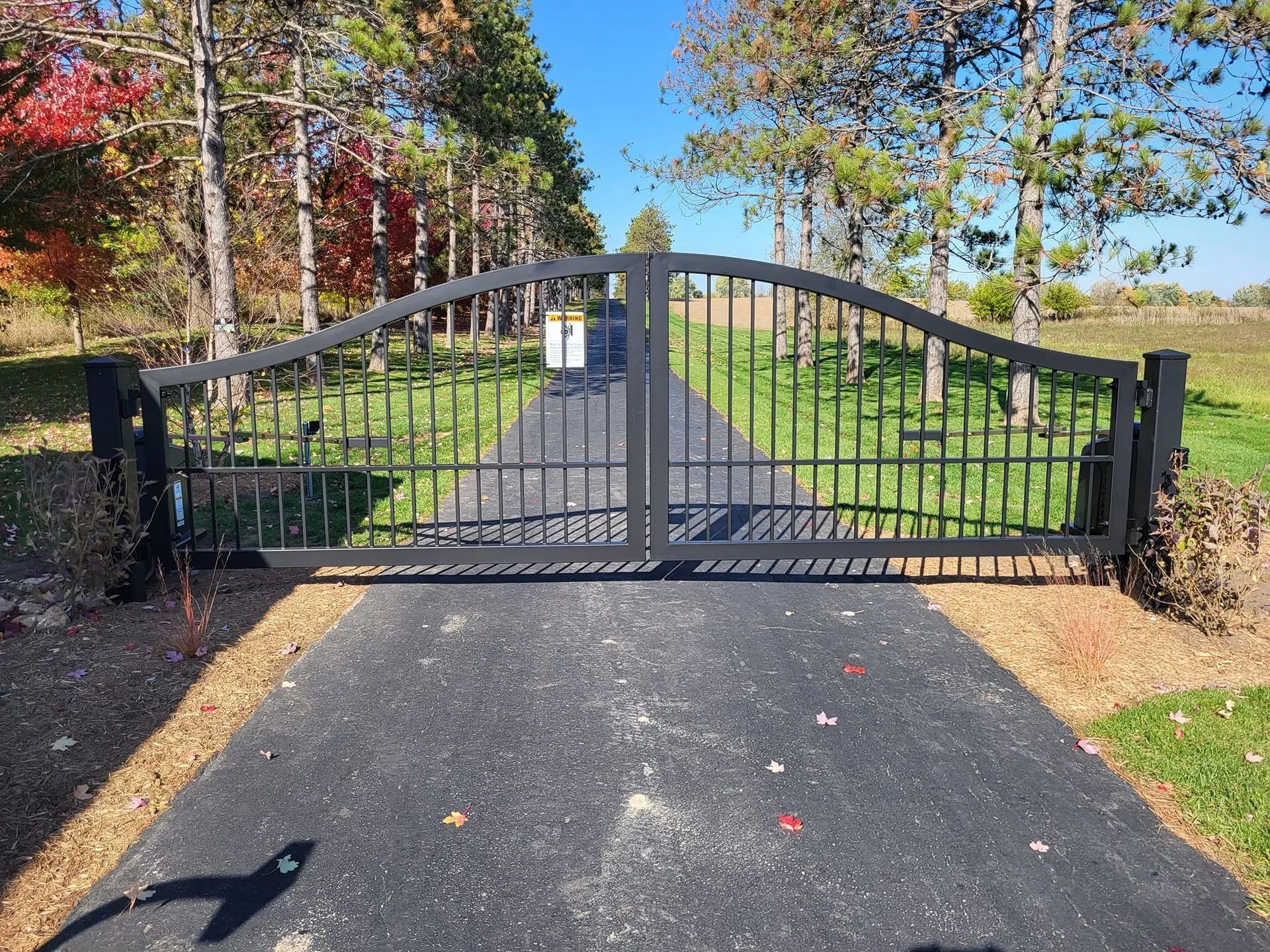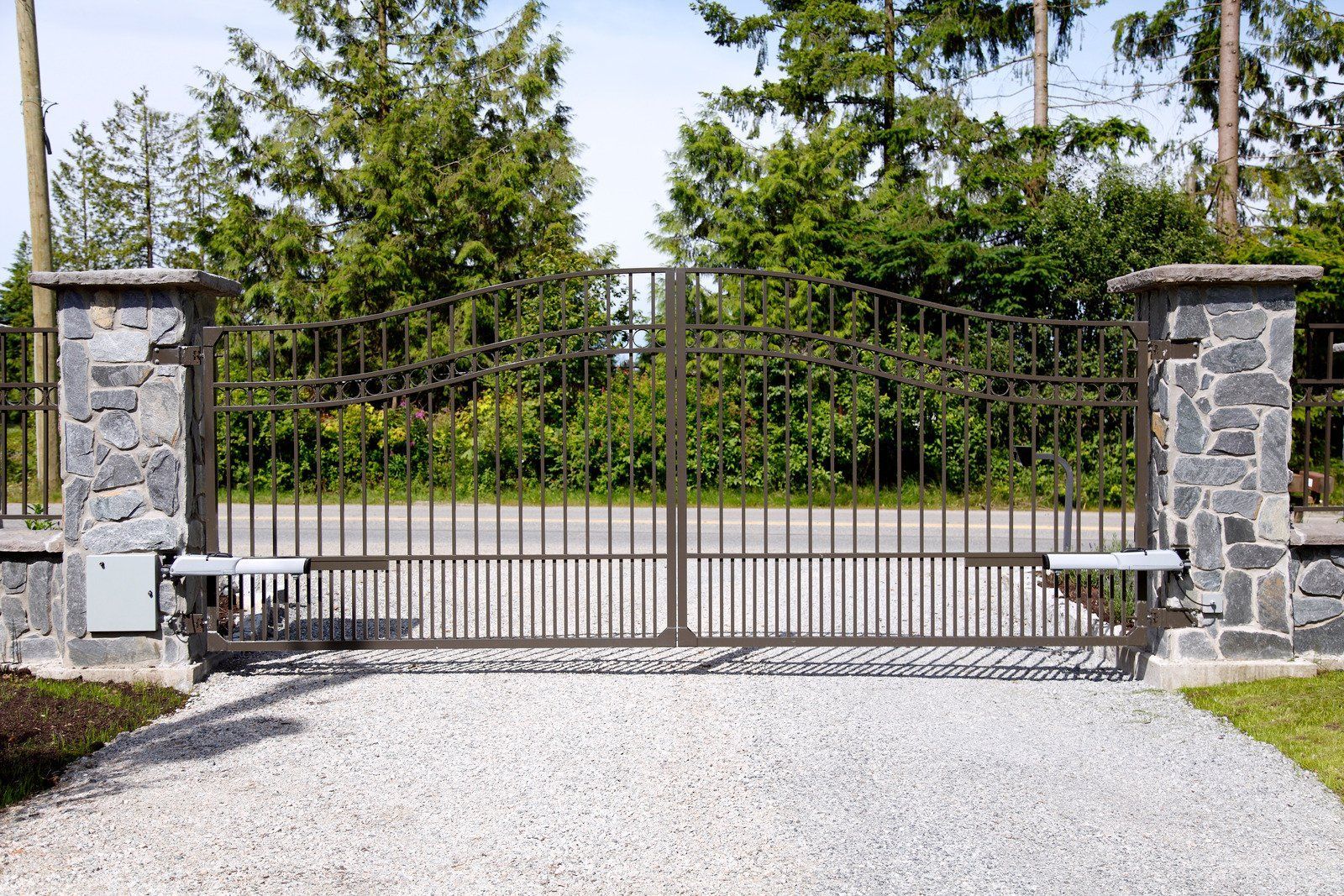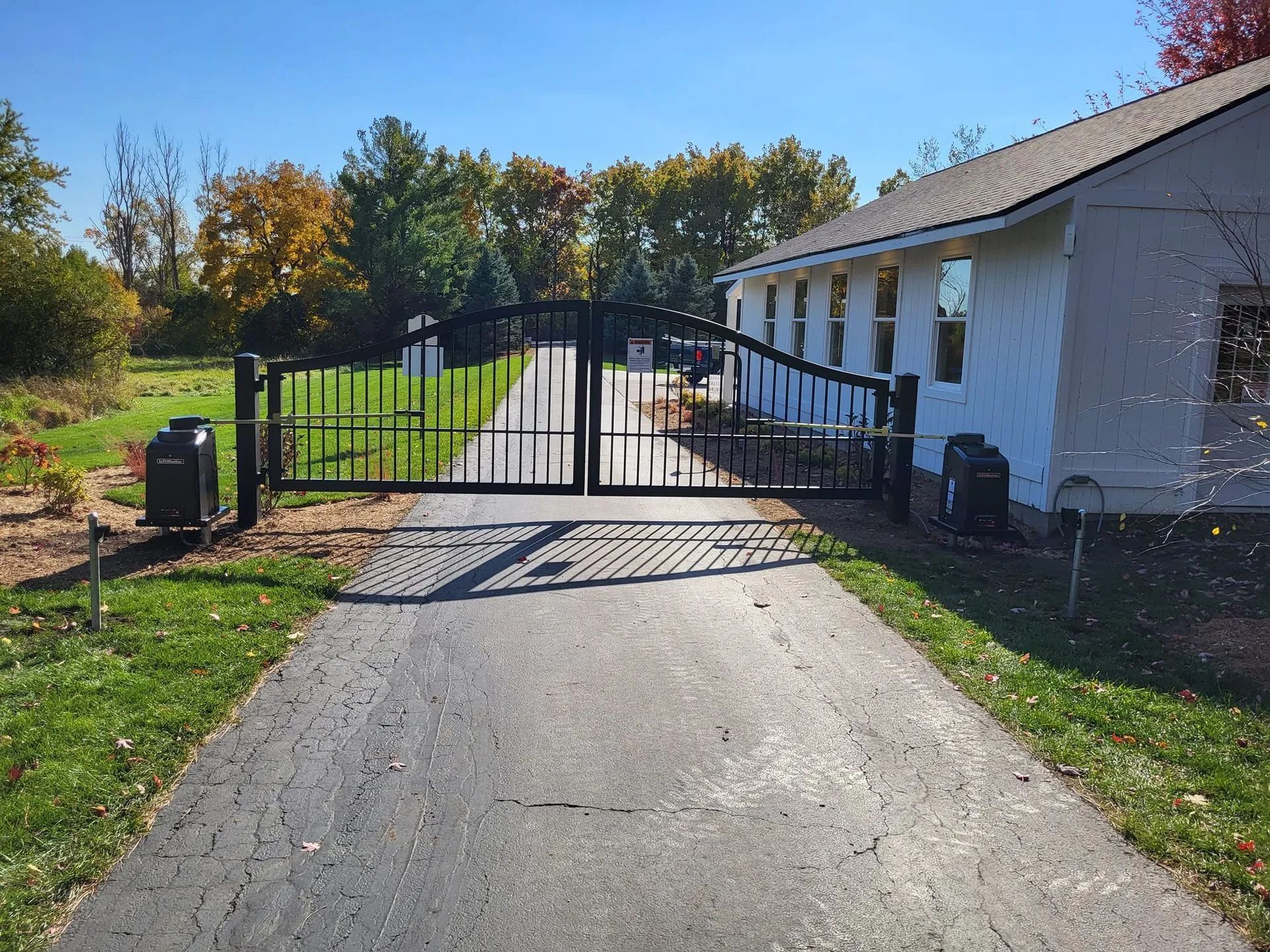
Security gates play a critical role in controlling access, protecting property, and maintaining safety across residential, commercial, and industrial spaces. When functioning properly, these systems provide seamless entry management and reduce the risk of unauthorized access. However, like any mechanical and electronic system, security gates experience gradual wear and performance decline over time. Small faults often develop silently before turning into a complete system failure. Over time, exposure to weather, frequent usage, and lack of routine servicing further accelerate internal wear and reduce the overall reliability of the system. Continuous stress on moving components can also create hidden damage that remains unnoticed until performance drops significantly.
Understanding early warning signs is essential for preventing unexpected breakdowns that can leave entry points exposed or vehicles stranded at critical moments. Many gate failures do not happen suddenly; instead, they are the result of overlooked issues such as motor strain, sensor malfunction, alignment errors, or electrical instability. Recognizing these indicators early can reduce repair costs, improve safety, and extend system lifespan. Regular inspection and timely maintenance also help maintain consistent performance and reduce the chances of sudden operational interruptions during peak usage hours. Preventive attention ensures smoother operation and minimizes the risk of emergency breakdown situations.
This topic is especially relevant for property owners, facility managers, and security personnel who depend on uninterrupted gate operation. A well-maintained system not only ensures controlled access but also supports the overall security infrastructure. Ignoring early symptoms can lead to operational disruptions, costly emergency repairs, and security vulnerabilities that compromise safety. In many cases, minor issues that go unnoticed gradually evolve into major failures that require complete system replacement and significant downtime for restoration. Long-term reliability depends on consistent monitoring and timely corrective action before faults escalate.
Unusual Mechanical Resistance and Movement Issues
Slower Opening and Closing Cycles
One of the earliest warning signs appears when a security gate begins opening and closing more slowly than normal. This usually points to motor strain, worn gears, or a lack of proper lubrication. Over time, resistance builds inside internal components, forcing the system to work harder and reducing smooth movement during each cycle of operation, leading to early system wear and failure risk.
Jerky or Uneven Motion
Jerky or uneven gate motion often signals alignment problems or track obstructions that interfere with smooth movement. Debris buildup, worn rollers, or bent tracks force the gate to shift unevenly during operation. This irregular motion increases mechanical stress and gradually weakens the drive system, making future operation less reliable under normal usage conditions. Prompt inspection prevents further structural and motor damage issues.
Electrical Instability and Power Irregularities
Intermittent Power Response
An intermittent power response occurs when a gate fails to receive stable electrical input, causing inconsistent operation during use. Loose wiring, failing control boards, or unstable power sources often contribute to this issue. These fluctuations interrupt normal function and may gradually worsen, leading to complete operational failure if electrical faults remain unresolved over time. Early diagnosis helps prevent system-wide electrical damage progression.
Unresponsive Control System
An unresponsive control system is an early indication that a gate’s electronic components are beginning to fail. Remote commands or keypad inputs may work inconsistently or not at all due to degrading control boards or communication faults. This issue often progresses quickly and can lead to complete loss of access control if not addressed promptly, requiring immediate technical system evaluation service.
Abnormal Noises and Vibration Patterns
Grinding or Scraping Sounds
Grinding or scraping sounds from a gate system usually indicate friction between worn or misaligned mechanical components. This noise often comes from damaged gears, dry hinges, or track misalignment that increases resistance during movement. Continuous operation under these conditions places stress on internal parts and can accelerate mechanical failure if not corrected early. Regular maintenance reduces the risk of major breakdown events.
Excessive Vibration During Operation
A properly functioning gate should operate with minimal vibration during each cycle. Excessive shaking usually indicates loose fittings, unbalanced structure, or motor mounting problems. Over time, repeated vibration weakens mechanical joints and increases wear on critical components. If left unresolved, this condition can compromise overall stability and shorten system lifespan significantly early corrective action preserves structural integrity and operational safety standards maintained.
Sensor and Safety Feature Malfunctions
Delayed Sensor Reaction
Delayed sensor reaction in a security gate often indicates a buildup of dust, wiring faults, or calibration issues affecting detection accuracy. Safety sensors are designed to respond instantly to obstacles, and any delay reduces overall system safety. When response times slow down, the system may fail to detect objects in time, increasing operational risk. Regular calibration improves detection reliability levels.
Frequent False Stops or Reversals
A gate that frequently stops or reverses without any physical obstruction typically signals sensor misalignment or electrical interference. This issue disrupts normal flow and indicates declining reliability in the safety system. If ignored, repeated false triggers can cause operational delays and increase strain on mechanical and electronic components over time. Routine inspection helps restore proper sensor alignment and maintain system stability levels.
Structural Wear and Physical Misalignment
Visible Sagging or Uneven Alignment
Visible sagging or uneven alignment in a gate structure often develops due to worn hinges, shifting foundations, or long-term structural stress. This misalignment creates uneven movement and increases friction during operation. As the issue worsens, additional strain is placed on the motor system, reducing efficiency and increasing the likelihood of mechanical failure. Timely adjustment prevents further structural imbalance and damage progression.
Cracks, Rust, or Material Fatigue
Cracks, rust, or material fatigue weaken the structural integrity of a gate system over time. Exposure to weather, moisture, and environmental stress accelerates deterioration, especially in outdoor installations. Once these signs appear, the structure becomes less stable and more prone to failure. Ignoring early damage can lead to costly repairs and complete system replacement. Weakened structures require immediate professional assessment and action.
Increased Maintenance Frequency and Repair Dependency
Repeated Service Calls
Repeated service calls for the same gate system indicate unresolved underlying issues rather than isolated faults. Temporary repairs may provide short-term relief but fail to address root mechanical or electrical problems. Over time, this pattern suggests deeper system degradation that requires comprehensive inspection and corrective action to restore proper performance and reliability comprehensive evaluation helps prevent recurring operational disruptions going forward.
Rising Operational Downtime
Rising operational downtime occurs when a gate system spends more time under repair than in active use. This reflects declining reliability and increasing system instability. Frequent breakdowns disrupt access control and reduce overall efficiency. If downtime continues to increase, it often signals that major components are nearing complete failure and require immediate attention. Preventive maintenance reduces long-term system failure risks significantly.
Declining Automation Efficiency and Response Lag
Delayed Automation Response
A delayed automation response in a security gate indicates that the system is struggling to process commands quickly. This may result from software lag, sensor delays, or motor fatigue. As response times increase, users experience slower access and reduced efficiency. Continued delays often signal deeper system issues that require immediate technical assessment. We recommend thorough diagnostics to restore full system responsiveness levels.
Inconsistent Performance Across Cycles
Inconsistent performance across gate cycles suggests internal imbalance or fluctuating electrical supply within the system. A gate may operate smoothly in one cycle and struggle in the next due to mechanical wear or power instability. This unpredictability indicates that components are no longer functioning in harmony and may fail without warning if conditions continue. System inspection ensures stable operational performance restoration levels.
American Gate Entry Systems Builds Lasting Security Systems
Security gate failure rarely occurs without warning. Mechanical resistance, electrical inconsistencies, sensor malfunctions, structural wear, and declining automation performance all serve as early indicators that require attention. Identifying these signs early helps prevent unexpected breakdowns, reduces repair expenses, and maintains uninterrupted access control. Regular monitoring and timely intervention play a key role in preserving system reliability and operational safety. Small corrective actions at the right time often prevent larger failures that disrupt daily operations and compromise access security.
Ignoring these warning signs can lead to complete system failure, leaving properties vulnerable and access points unusable. Proactive maintenance remains the most reliable approach to ensuring long-term performance and structural stability. Consistent inspection schedules and timely servicing help reduce unexpected downtime and extend the operational life of the entire system. Addressing minor issues before they escalate also supports smoother functionality and reduces long-term repair dependency significantly.
American Gate Entry Systems, based in Griffith, Indiana, brings over 30
years of hands-on experience in gate installation and access control solutions. Our focus remains on delivering dependable systems designed for long-term performance and security. We understand the challenges that arise when gate systems begin to fail and provide solutions built to restore reliability and stability. Every installation and service approach is guided by technical precision, industry knowledge, and a commitment to secure property access without disruption. Long-term client trust is built through consistent workmanship, reliable service response, and attention to system durability under real-world conditions.